
Creative Businesses for People Who Love Thrifting
Handmade, hand-altered, upcycled, vintage, and resale ideas for people who love the hunt
Some people go thrifting because they need a sweater. Other people go thrifting because somewhere in that store, possibly under a stack of chipped mugs and questionable holiday décor, there might be treasure. If you are the second kind of person, thrifting can become much more than a hobby. It can become the starting point for a creative business.
Thrift stores, estate sales, flea markets, yard sales, antique malls, and online marketplaces are full of raw material: clothing, furniture, books, frames, baskets, dishes, linens, jewelry, fabric, lamps, art, and strange little objects that may not make sense yet but clearly have potential. The business idea does not have to be simple resale, although resale can absolutely be a business. It could also be upcycling, styling, repairing, altering, bundling, curating, repurposing, or using thrifted pieces as the foundation for something entirely new. The magic is in what you see that someone else might miss.
Here are some creative business ideas for people who love thrifting.

Upcycled Clothing
Thrifted clothing can become the raw material for a hand-altered fashion business.
You could create:
-
Embroidered sweatshirts
-
Hand-painted denim jackets
-
Patched jeans
-
Cropped flannels
-
Upcycled button-down shirts
-
Lace-trimmed blouses
-
Patchwork sweatshirts
-
Visible-mended clothing
-
Embellished collars
-
Hand-painted canvas shoes
-
Reworked denim skirts
-
Appliquéd jackets
-
Monogrammed robes
-
Bridal denim jackets
-
Bookish or garden-themed clothing
The value comes from the transformation. A plain jacket becomes a statement piece. A thrifted sweatshirt becomes personalized. A vintage blouse becomes something wearable for a modern customer.
You can also build around a specific style: cottagecore, western, coastal grandmother, retro, romantic, dark academia, artsy, boho, or whimsical.
Curated Vintage Clothing
Some people love vintage clothing but do not love digging through racks for two hours to find one good piece.
That is where curation becomes valuable.
You could create a business around finding, cleaning, repairing, photographing, and styling vintage clothing for a specific customer.
Possible niches include:
-
Vintage denim
-
Romantic blouses
-
Western wear
-
Cottagecore dresses
-
90s casual wear
-
Vintage coats
-
Plus-size vintage
-
Linen and natural fibers
-
Vintage sleepwear
-
Statement jackets
-
Retro holiday outfits
-
Vintage workwear
-
Thrifted capsule wardrobes
-
Color-themed drops
-
Vacation-ready vintage
A curated vintage shop works best when it has a point of view. You are not just selling “used clothes.” You are helping people find a style they already want but do not have time to hunt for themselves.
Thrifted Home Décor Collections
Thrift stores are full of home décor, but the pieces often feel random until someone gives them a theme.
You could curate collections around:
-
Cottage kitchen décor
-
Vintage brass
-
Blue-and-white ceramics
-
Wooden bowls
-
Retro Christmas
-
Garden-inspired décor
-
Small framed art
-
Coastal home pieces
-
Dark academia desk décor
-
Colorful maximalist shelves
-
Vintage baskets
-
Bookshelf styling sets
-
Nursery décor
-
Tea party pieces
-
Farmhouse kitchen finds
This could work especially well through online drops, local markets, or styled bundles. For example, instead of listing one small brass candleholder, you could create a “moody reading nook” bundle with a candleholder, tiny framed art, vintage tray, and old hardcover book.
The story makes the pieces feel intentional.
Vintage Frame Makeovers
Old frames are everywhere, and many of them are better quality than newer inexpensive frames.
You could turn thrifted frames into:
-
Painted frames
-
Gold-leaf-style frames
-
Distressed cottage frames
-
Gallery wall sets
-
Framed botanical prints
-
Framed book-page art
-
Pressed-flower frames
-
Framed quotes
-
Nursery art
-
Wedding signs
-
Memorial keepsakes
-
House portraits
-
Pet portraits
-
Menu signs
-
Seasonal art
A frame business could be about rescuing beautiful frames and pairing them with new artwork, photos, fabric, embroidery, or printables.
This is also a nice bridge between physical products and digital art if you already create designs.
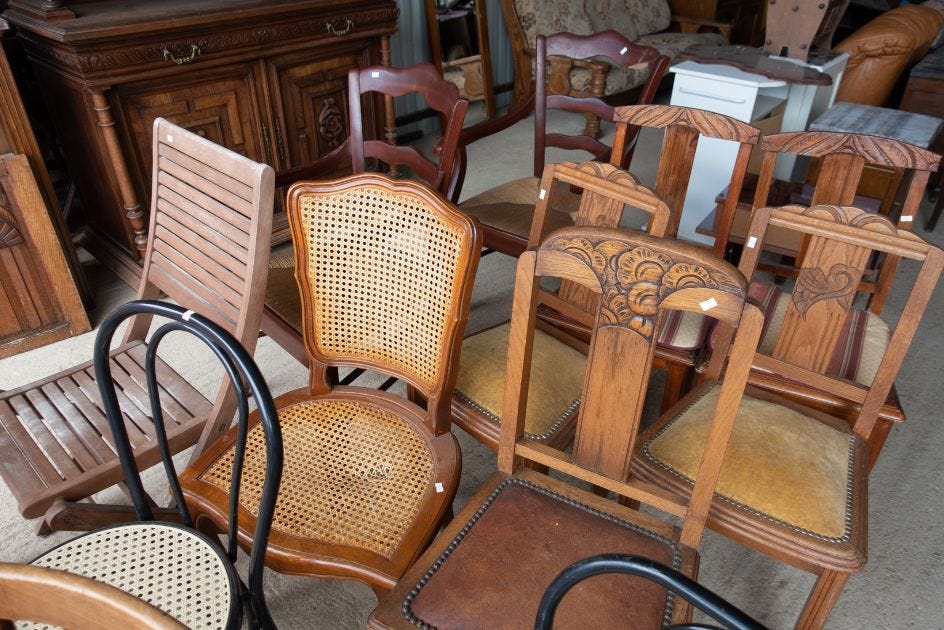
Upcycled Furniture
Furniture makeovers can be a business on their own, especially for local selling.
You could refinish or restyle:
-
Nightstands
-
Small dressers
-
Side tables
-
Entry tables
-
Plant stands
-
Chairs
-
Benches
-
Bookshelves
-
Desks
-
Bar carts
-
Cabinets
-
Trunks
-
Toy chests
-
Coffee tables
-
Small stools
You can specialize by style, such as modern farmhouse, moody cottage, colorful vintage, shabby chic, boho, coastal, or dark painted pieces.
Furniture can be harder to ship, so this may work better for local customers, markets, booths, or consignment spaces.
You could also offer custom furniture makeovers for pieces customers already own.
Thrifted Baskets and Storage
Baskets are one of the great thrift-store treasures.
They can be cleaned, repaired, painted, lined, decorated, or curated into storage collections.
Ideas include:
-
Pantry baskets
-
Craft-room baskets
-
Toy storage
-
Pet toy baskets
-
Gift baskets
-
Market baskets
-
Bathroom storage sets
-
Nursery baskets
-
Plant baskets
-
Picnic baskets
-
Bookshelf baskets
-
Entryway catchall baskets
-
Holiday gift baskets
-
Wedding welcome baskets
-
Cottage kitchen baskets
A basket business could combine thrifted containers with handmade liners, tags, labels, or curated contents.
The basket itself might be thrifted, but the final product can feel polished and intentional.
Vintage Linens
Vintage linens can become new products or curated collections.
You could use or sell:
-
Embroidered tablecloths
-
Lace doilies
-
Vintage napkins
-
Handkerchiefs
-
Tea towels
-
Pillowcases
-
Quilts
-
Fabric remnants
-
Crochet pieces
-
Lace trims
-
Dresser scarves
-
Flour sack towels
-
Aprons
-
Bed linens
-
Damaged linens for repurposing
Possible business ideas include turning vintage linens into pillow covers, sachets, framed textile art, bunting, patchwork clothing, wedding décor, table settings, journal covers, or keepsake pieces.
You could also curate vintage table-setting kits for tea parties, bridal showers, garden parties, or holiday dinners.
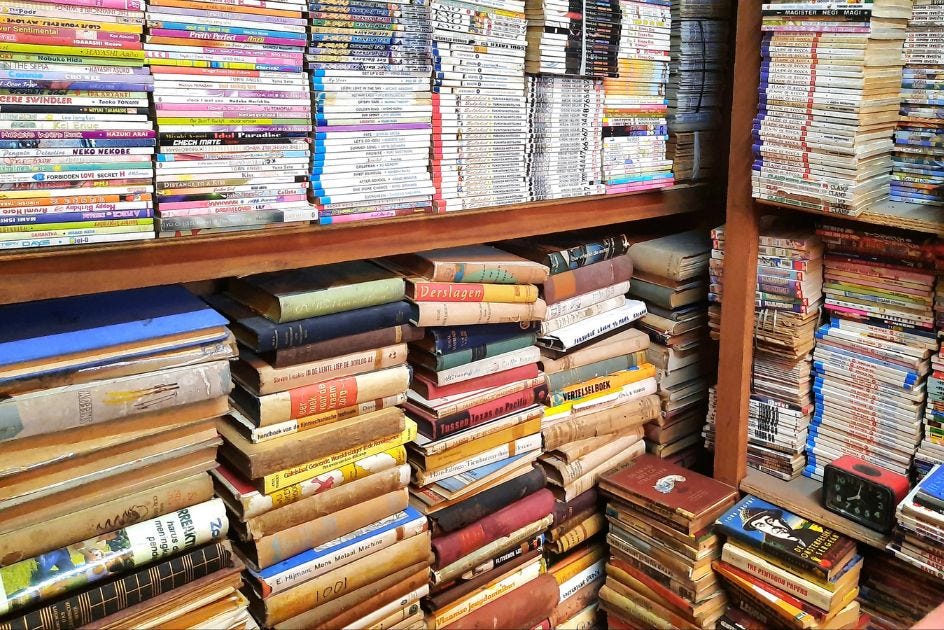
Book and Paper Repurposing
Old books, maps, sheet music, dictionaries, and magazines can become beautiful paper-based products.
Ideas include:
-
Book-page wreaths
-
Paper flowers
-
Folded-book art
-
Junk journals
-
Collage packs
-
Vintage paper bundles
-
Gift tags
-
Bookmarks
-
Framed dictionary art
-
Map art
-
Sheet-music ornaments
-
Decoupaged boxes
-
Paper garlands
-
Scrapbooking kits
-
Altered-book journals
A quick note: rare, valuable, or historically important books are usually better preserved. But damaged books, outdated reference books, and common books that would otherwise be discarded can become creative material.
This category works especially well for readers, writers, teachers, scrapbookers, journalers, and people who love nostalgic décor.
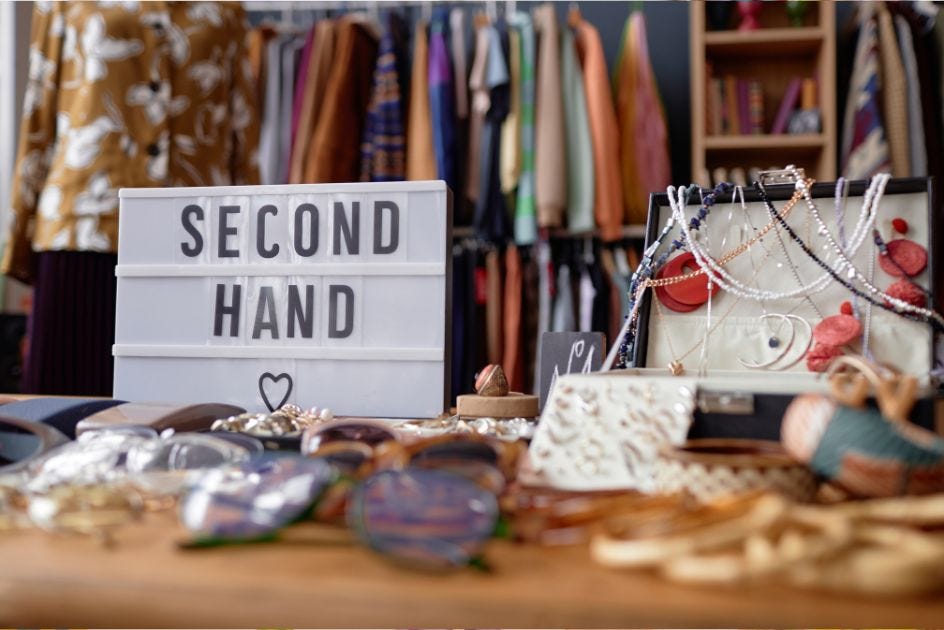
Jewelry From Thrifted Finds
Thrifted jewelry can be repaired, redesigned, or used as components for new pieces.
You could create:
-
Charm necklaces
-
Assemblage jewelry
-
Brooch necklaces
-
Reworked vintage earrings
-
Button earrings
-
Beaded bracelets
-
Statement necklaces
-
Memory jewelry
-
Watch-part jewelry
-
Repurposed pendant necklaces
-
Vintage bead bracelets
-
Hair accessories
-
Shoe clips
-
Bag charms
-
Holiday jewelry
A broken necklace may become five pairs of earrings. A single vintage brooch may become the centerpiece of a completely new necklace.
The appeal is often in the one-of-a-kind nature of the finished piece.
Mystery Boxes and Curated Bundles
If you love finding small treasures, curated mystery boxes could be a fun business model.
Possible themes include:
-
Vintage craft supplies
-
Junk journal kits
-
Cottagecore mystery boxes
-
Bookish vintage bundles
-
Retro kitchen bundles
-
Tea party boxes
-
Old paper packs
-
Jewelry-making supply boxes
-
Mini gallery wall kits
-
Vintage Christmas bundles
-
Small brass décor sets
-
Craft-night kits
-
Button and trim bundles
-
Fabric scrap packs
-
Desk décor boxes
The key is making the box feel curated, not like someone cleaned out a drawer.
A good mystery box still has a point of view, quality control, and a clear customer.
Thrifted Craft Supplies
Many thrift stores have craft supplies hiding in plain sight.
You could resell or repurpose:
-
Yarn
-
Fabric
-
Embroidery hoops
-
Thread
-
Beads
-
Buttons
-
Ribbon
-
Lace
-
Patterns
-
Craft books
-
Stamps
-
Paper punches
-
Frames
-
Paintable wood pieces
-
Jewelry findings
This could become a supply-focused shop for other makers, especially if you bundle items by color, style, project type, or theme.
Instead of selling “random buttons,” you could sell a curated set of cream and brass buttons for vintage sewing projects.
The curation is part of the value.
Themed Gift Boxes
Thrifted finds can become part of themed gift boxes, especially when combined with handmade items.
Ideas include:
-
Cozy reading boxes
-
Tea lover boxes
-
Garden gift boxes
-
Writer’s desk kits
-
Vintage kitchen boxes
-
New-home baskets
-
Craft supply kits
-
Retro Christmas boxes
-
Cottagecore care packages
-
Picnic baskets
-
Book club hostess gifts
-
Grandmother-inspired gift boxes
-
Artist inspiration boxes
-
Romantic writing kits
-
Slow-living boxes
You could include a thrifted container, vintage item, handmade piece, and a few carefully sourced additions.
Be clear about what is vintage, what is handmade, and what is new.
Thrifted Art and Gallery Walls
Old artwork can be reframed, restored, grouped, or used as inspiration for curated wall collections.
You could create:
-
Mini gallery wall sets
-
Vintage floral art bundles
-
Landscape collections
-
Religious art collections
-
Nursery wall sets
-
Coastal art groupings
-
Moody portrait walls
-
Kitchen art bundles
-
Botanical print sets
-
Framed fabric art
-
Seasonal art collections
-
Small office wall kits
-
Color-themed art drops
-
Gallery wall planning services
-
Art styling kits
Many people like the collected look but do not know how to pull pieces together.
You could do the hunting for them.
Props for Product Photography
Small businesses often need props for product photos.
Thrift stores are full of items that can become styling props.
You could curate prop bundles for:
-
Jewelry sellers
-
Candle makers
-
Soap makers
-
Bakers
-
Bookish shops
-
Vintage sellers
-
Wedding vendors
-
Floral designers
-
Coffee brands
-
Stationery shops
-
Bath and body makers
-
Cottage food businesses
-
Handmade product photographers
-
Flat-lay creators
-
Social media content creators
A prop box could include trays, fabric, books, dishes, ribbons, small vases, frames, and surfaces.
This is a very specific business idea, but it makes sense if you enjoy styling and visual storytelling.
Seasonal Thrift Flips
Seasonal products are a natural fit for thrifted finds.
You could create:
-
Retro Christmas décor
-
Halloween village makeovers
-
Valentine’s gift boxes
-
Easter baskets
-
Spring floral décor
-
Summer picnic collections
-
Fall mantel décor
-
Thanksgiving table settings
-
Mother’s Day tea boxes
-
Graduation gift baskets
-
Wedding décor
-
Holiday ornaments
-
Winter reading-nook sets
-
Patriotic picnic bundles
-
Birthday party décor
The same skill can change throughout the year.
Christmas can be one collection, not the whole business.
A thrifted basket can become an Easter basket, wedding welcome basket, birthday gift basket, or holiday hostess gift depending on how you style it.
Personal Styling From Thrifted Finds
If you have a strong eye for clothing and style, you could offer thrift-based styling services.
Ideas include:
-
Thrifted wardrobe bundles
-
Personal shopping
-
Capsule wardrobe sourcing
-
Vacation outfit bundles
-
Vintage styling boxes
-
Plus-size thrift styling
-
Outfit bundles by color palette
-
Costume sourcing
-
Brand photoshoot wardrobe styling
-
Date-night thrifted looks
-
Teacher wardrobe bundles
-
Work-from-home capsule wardrobes
-
Mother-of-the-bride thrifted styling
-
Event outfit sourcing
-
Closet refresh boxes
This is more service-based than product-based, but it still uses the same treasure-hunting skill.
You are selling your eye, your time, and your ability to find what someone else would never notice.
Local Thrift Tours or Workshops
If you enjoy teaching or hosting, you could turn thrifting into an experience.
Ideas include:
-
Thrift store tours
-
Estate sale field trips
-
Upcycling workshops
-
Furniture painting classes
-
Junk journal workshops
-
Vintage styling events
-
Craft supply hunting days
-
Thrifted home décor classes
-
Seasonal wreath workshops
-
Beginner resale workshops
-
Gallery wall styling workshops
-
Thrift-and-craft parties
-
Private shopping sessions
-
Market booth sourcing trips
-
Content creation thrift days
This would be more location-dependent, but it could work especially well in areas with good thrift stores, antique malls, or estate sales.
Digital Content Around Thrifting
A thrifting business does not have to sell only physical products.
You could create:
-
Thrift flip tutorials
-
Upcycling idea guides
-
Vintage style guides
-
Resale checklists
-
Estate sale shopping guides
-
Printable inventory sheets
-
Booth vendor planners
-
Thrifted home décor guides
-
Content series around finds
-
YouTube thrift hauls
-
Paid styling guides
-
Digital lookbooks
-
Before-and-after posts
-
Thrifted capsule wardrobe guides
-
Downloadable project plans
This could support a physical shop, or it could become its own digital product and content business.
A person who loves thrifting often has stories to tell. Content can be part of the business.
What Makes a Thrifting Business Different?
A thrift-based business is not always predictable. You may not be able to restock the exact same piece. Inventory depends on what you find, where you shop, and what is available. That can be a challenge, but it can also be part of the appeal. A thrift-based business can feel fresh because the products change. Customers may pay attention because they know a piece might not come back. Limited drops, one-of-a-kind finds, seasonal collections, and before-and-after transformations can all create interest. The business becomes less about mass production and more about taste, creativity, and discovery.
A Few Practical Things to Consider
Thrifted items usually need cleaning, repair, and careful inspection before selling. Check for stains, odors, damage, missing parts, safety issues, recalls, and materials that may not be appropriate for certain uses. Be especially careful with children’s products, food-contact items, electrical items, cosmetics containers, and anything that could create safety concerns. You will also want to be clear in your listings when something is vintage, secondhand, upcycled, handmade, or one of a kind. The treasure-hunt part is fun. The quality-control part is what makes it a business.
Start With What You Already Notice
If you love thrifting, pay attention to what you naturally reach for. Do you always find beautiful frames? Do you notice fabric? Do you head straight for the baskets? Are you drawn to vintage clothing, old books, brass décor, dishes, lamps, jewelry, or furniture?That instinct may be pointing toward your niche.
You do not have to build a business around every good thing you find. Start with the category that keeps catching your eye and ask what it could become.
-
A thrifted frame could become botanical art.
-
A basket could become a gift box.
-
A vintage sheet could become fabric for a handmade collection.
-
A broken necklace could become five new pieces.
-
A stack of old books could become paper flowers, journals, or bookish décor.
The business begins with the find, but it grows through your point of view.
Subscribe to my email list if you’d like to keep brainstorming with me. We’ll continue exploring creative products, audiences, niches, and all the different directions one good idea can go.