
Handmade Businesses You Can Start for Under $100
Creative business ideas that do not require expensive equipment, a full studio, or a giant supply order
Starting a handmade business does not have to mean buying thousands of dollars in equipment before you even know what you want to make. Sometimes that is where people get stuck. They think they need the best machine, the perfect workspace, the giant inventory order, the professional packaging, the full brand identity, and the neatly organized shelf of supplies before they can begin.
But a creative business can start much smaller than that. A handmade business can begin with basic tools, simple supplies, thrifted materials, digital designs, or one small product that gives you room to test the idea. Under $100 will not build every kind of handmade business. It probably will not buy you a laser cutter, a sublimation setup, a pottery kiln, or enough materials for a huge product launch. But it can be enough to start experimenting. It can be enough to make a small batch, take photos, test interest, list a few products, bring samples to a local market, or figure out whether an idea feels worth growing.
Here are handmade business ideas you can start for under $100.
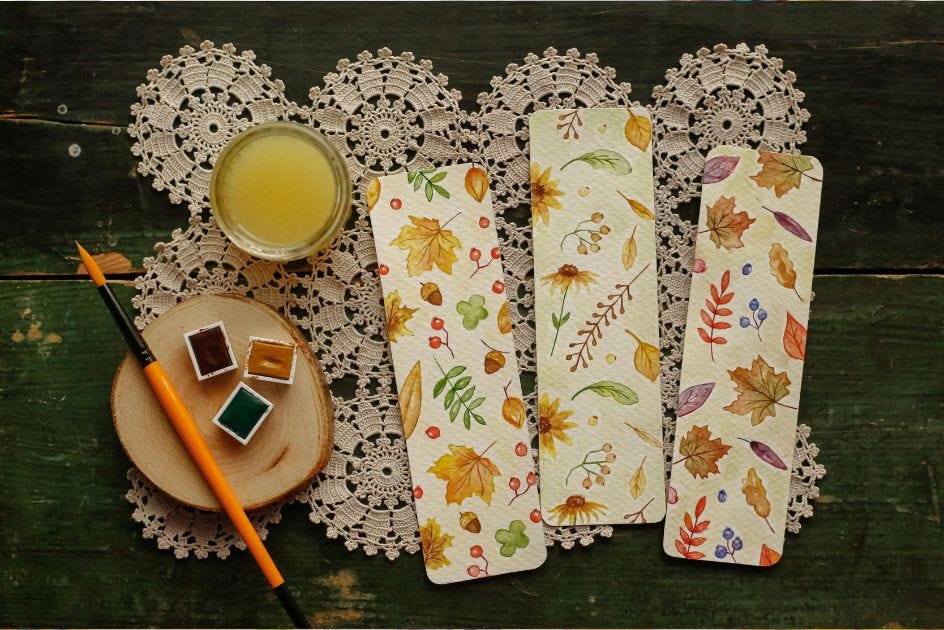
1. Handmade Bookmarks
Bookmarks are a small, low-cost product with a lot of room for creativity. You could make them from cardstock, watercolor paper, fabric scraps, pressed flowers, beads, charms, ribbon, laminated designs, or printable artwork. They can be made for romance readers, fantasy readers, teachers, book clubs, students, writers, library lovers, or Kindle users who still love bookish accessories. A bookmark business could also grow into book sleeves, reading journals, bookish stickers, gift boxes, or printable reader inserts.
2. Pressed Flower Art
Pressed flower art can begin with flowers, leaves, paper, inexpensive frames, and basic supplies. You could create framed botanicals, bookmarks, greeting cards, gift tags, ornaments, jewelry cards, wedding keepsakes, or small wall art. This idea works well for gardeners, cottagecore shoppers, nature lovers, brides, memorial gifts, and people who want something delicate and sentimental. You can start small with local flowers, thrifted frames, and simple packaging.
3. Hand-Painted Wood Signs
Small wood signs can be made with craft wood, thrifted wood pieces, paint, brushes, stencils, or hand lettering. You could make signs for reading nooks, kitchens, gardens, laundry rooms, weddings, nurseries, craft rooms, market booths, or holiday décor. A simple sign becomes more interesting when it is made for a specific audience. A garden sign is one idea. A funny herb garden sign for someone who keeps buying basil is another.
4. Greeting Cards
Greeting cards are inexpensive to start if you have paper, envelopes, pens, stamps, paint, collage supplies, or digital design tools. You could create cards for birthdays, thank-you notes, sympathy, friendship, teachers, weddings, new homes, book lovers, pet parents, gardeners, or sarcastic women who are doing their best but would like everyone to lower their expectations. Cards can be sold individually, in sets, or as printable downloads.
5. Printable Digital Products
Digital products can be one of the lowest-cost businesses to start because you do not need physical inventory. You could create printable wall art, planner pages, gift tags, bookmarks, recipe cards, business checklists, party games, classroom printables, travel logs, or small-business planners. The cost may include design software, mockups, fonts, graphics, or listing fees, but the product itself does not require shipping supplies or materials for each sale. This can be especially useful if you want to test an idea before turning it into a physical product.
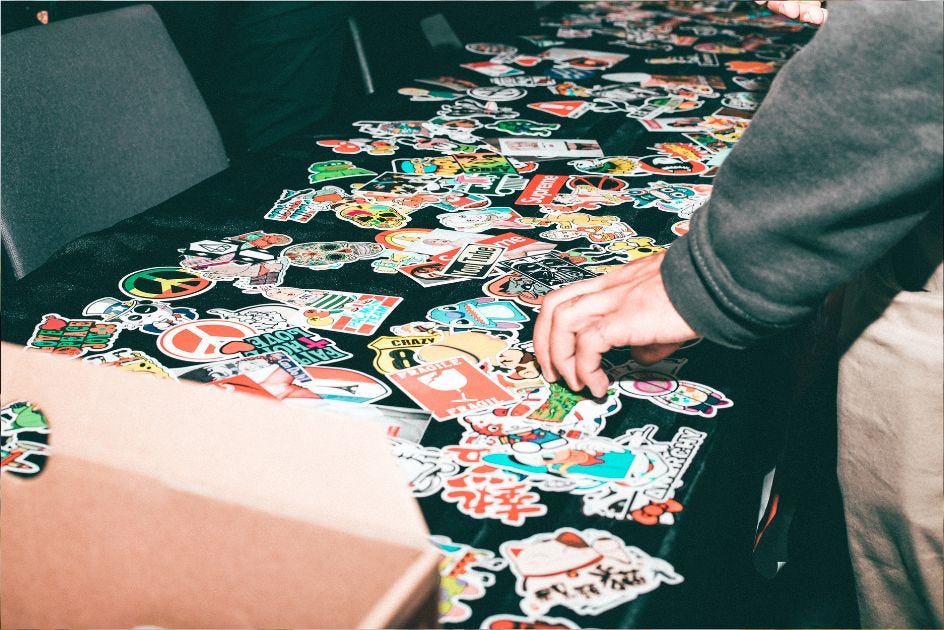
6. Stickers
Sticker businesses can start very small if you use printed sticker paper, a home printer, scissors, a paper trimmer, or a cutting machine you already own. You could also begin with outsourced sticker printing and order a small batch. Sticker ideas include planner stickers, bookish stickers, feminist stickers, garden labels, business packaging stickers, laptop stickers, water bottle stickers, teacher stickers, or funny niche sayings. The key is not “make stickers.” The key is deciding who the stickers are for.
7. Gift Tags and Packaging Supplies
Small businesses, gift givers, bakers, teachers, and holiday hosts all use tags and packaging.
You could make:
-
Gift tags
-
Thank-you tags
-
Product care cards
-
Favor tags
-
Cookie box tags
-
Jar labels
-
Handmade product labels
-
Holiday packaging sets
-
Wedding favor tags
-
Market booth price tags
This idea can be physical, printable, or both. It also pairs nicely with seasonal collections.
8. Jewelry From Basic Supplies
Jewelry can become expensive quickly, but simple jewelry can begin under $100 with beads, charms, cord, jump rings, ear wires, chains, pliers, and packaging cards. You could make earrings, bracelets, charm necklaces, beaded rings, anklets, zipper pulls, bag charms, or keychain charms. You can also use thrifted beads, broken jewelry, vintage buttons, or found materials to create one-of-a-kind pieces. A jewelry business works best when it has a style or audience rather than a random assortment of pretty things.
9. Button Earrings or Button Jewelry
Buttons are inexpensive, easy to thrift, and surprisingly useful for jewelry. You could create button earrings, charm bracelets, brooches, necklaces, hair clips, or sewing-themed gift sets. This could work for vintage lovers, quilters, sewists, teachers, cottagecore shoppers, retro fashion fans, or people who like accessories that feel a little unexpected. A jar of buttons can go a very long way.
10. Clay Earrings or Charms
Air-dry clay or polymer clay can be used to create earrings, charms, ornaments, magnets, pins, and small decorative pieces. You can start with clay, basic tools, findings, paint, sealer, and simple packaging. Possible niches include cottagecore earrings, bookish charms, holiday minis, teacher gifts, garden markers, miniature food charms, or whimsical accessories. Start with small batches so you can learn what designs people respond to before buying a giant supply stash.
11. Hair Accessories
Hair accessories can be made with fabric, ribbon, elastic, clips, beads, flowers, charms, or thrifted textiles.
Ideas include:
-
Scrunchies
-
Hair bows
-
Headbands
-
Barrettes
-
Hair scarves
-
Bridal hair pieces
-
Flower clips
-
Kid hair accessories
-
Holiday hair accessories
This can be a good small-batch business because the products are lightweight, giftable, and easy to group by color, season, or theme.
12. Fabric Scrunchies
If you already have a sewing machine, scrunchies can be an inexpensive product to test. You need fabric, elastic, thread, and basic packaging. Scrunchies can be made from thrifted fabric, vintage sheets, satin, cotton, velvet, flannel, or seasonal prints. You could create sets for bridesmaids, teachers, students, holiday outfits, book lovers, gardeners, or craft-fair impulse shoppers. If you know how to crochet, you can make cute scrunchies using velvet yarn.
13. Simple Sewn Pouches
If you already own a sewing machine, small pouches can be started with fabric, thread, zippers, interfacing, and labels or tags. They can become makeup bags, pencil pouches, book annotation pouches, travel pouches, medication pouches, crochet tool bags, or dog-walking supply pouches. The pouch itself is simple. The purpose is what makes it easier to sell.
14. Reusable Gift Bags
Reusable gift bags can be made from thrifted fabric, holiday fabric, ribbon, cotton, or fabric remnants. They can be used for Christmas, birthdays, weddings, baby showers, Easter baskets, book gifts, hostess gifts, or small-business packaging. This idea can start small and become seasonal. Christmas gift bags can later become birthday gift bags, wedding welcome bags, or reusable packaging for handmade shops.
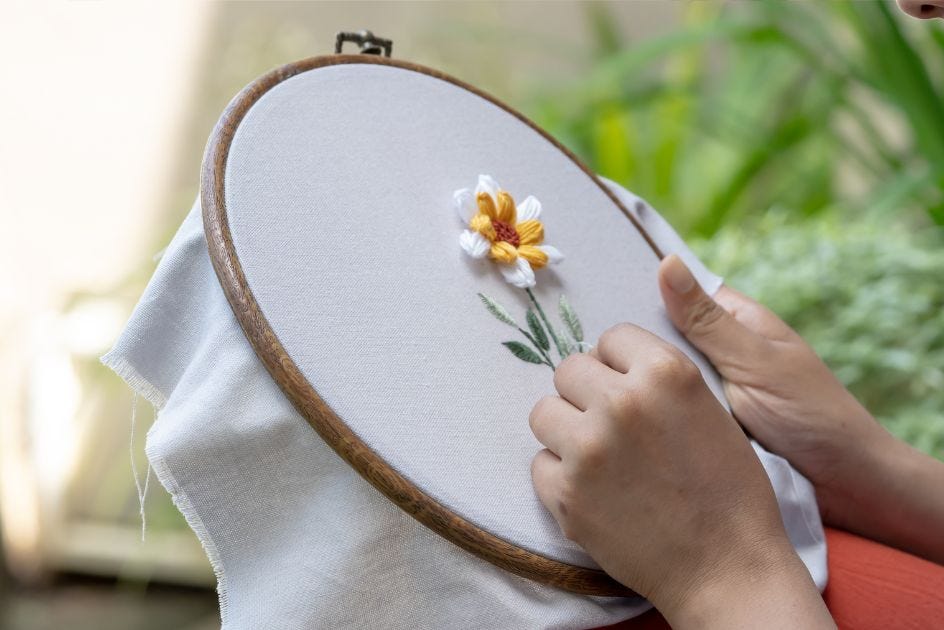
15. Embroidered Items
Hand embroidery can start with hoops, needles, floss, fabric, transfer pens, and thrifted textiles.
You could embroider:
-
Hoop art
-
Tea towels
-
Sweatshirts
-
Handkerchiefs
-
Bookmarks
-
Tote bags
-
Pillow covers
-
Denim jackets
-
Baby keepsakes
-
Ornaments
Embroidery is slower, but that can also make the finished piece feel personal and special. You could sell finished items, custom embroidery, patterns, or kits.
16. Hand-Painted Tote Bags
Plain canvas totes are inexpensive and easy to customize with fabric paint, markers, stencils, or hand lettering. You could make totes for readers, gardeners, teachers, farmers’ market shoppers, bridesmaids, small-business owners, travelers, or pet parents. A tote bag becomes more interesting when it is built around a specific person and use. A “book haul” tote is not the same as a garden harvest tote or a vendor market tote.
17. Thrifted Basket Gift Sets
Thrifted baskets can become the foundation for gift sets.
You could create:
-
Tea lover baskets
-
Bookish gift baskets
-
Garden baskets
-
Spa baskets
-
New-home baskets
-
Teacher baskets
-
Vintage kitchen baskets
-
Craft supply baskets
-
Cottagecore mystery baskets
-
Holiday hostess baskets
You do not need to fill a huge basket at first. Smaller, well-curated gift sets can be more affordable to make and easier to ship or display.
18. Vintage and Thrifted Craft Supply Bundles
Thrift stores often have fabric, ribbon, yarn, buttons, beads, frames, paper, lace, baskets, patterns, and craft books.
You could curate supplies into themed bundles for other makers.
Examples include:
-
Vintage button packs
-
Lace and ribbon bundles
-
Junk journal paper kits
-
Fabric scrap packs
-
Bead mixes
-
Embroidery supply bundles
-
Cottagecore craft kits
-
Retro Christmas craft packs
-
Neutral packaging prop bundles
The value is not just the thrifted item. The value is your eye for grouping things in a useful or beautiful way.
19. Junk Journal Kits
Junk journal kits can be made with old book pages, maps, envelopes, vintage paper, fabric scraps, lace, ribbon, buttons, tags, stickers, and ephemera.
You could create kits by theme:
-
Garden journal
-
Writer’s journal
-
Travel journal
-
Cottagecore journal
-
Dark academia journal
-
Vintage Christmas journal
-
Recipe journal
-
Wedding memory journal
-
Book lover journal
This can be a nice low-cost idea if you already enjoy collecting paper, textiles, and small vintage pieces.
20. Collage Packs
Collage packs can be sold to artists, journalers, scrapbookers, teachers, card makers, and other creative people. You could gather vintage book pages, patterned paper, tissue paper, magazine pieces, fabric scraps, labels, tags, trims, and small embellishments. These can be organized by color, theme, mood, or audience. A “moody botanical collage pack” feels more intentional than a random envelope of paper scraps.
21. Candles in Small Batches
Candle making can get expensive, but small test batches can sometimes be started under $100 with wax, fragrance oil, wicks, jars, labels, and a pouring pitcher or melting setup. You could create a small collection of two or three scents rather than trying to launch twenty at once. Possible niches include book lovers, writers, gardeners, holiday hosts, new homeowners, self-care, fantasy lovers, or small-business owners. Candles require careful testing, labeling, and safety information, so this is not a product to rush. But it can begin small.
22. Wax Melts
Wax melts may be easier to start than candles because they do not require wicks or jars. You still need wax, fragrance oil, molds, packaging, labels, and testing. Ideas include seasonal melts, bookish scents, cozy home scents, funny work-from-home scents, holiday host scents, cottage garden scents, or fantasy-themed scents. Wax melts can be sold in small packs, sample bundles, or seasonal collections.
23. Room Sprays
Room sprays can be made in small batches with the right formulation, bottles, labels, and safety considerations. You could create linen sprays, bathroom sprays, car sprays, holiday sprays, or mood-based home fragrance sprays. Be careful with claims. Avoid promising medical, therapeutic, pet-safe, deodorizing, or health-related results unless you have the proper testing and support. A room spray can still be sold around scent, mood, and home atmosphere without overpromising.
24. Bath Soaks
Bath soaks can start with salts, dried botanicals, fragrance or essential oils, jars or bags, labels, and scoops. Possible audiences include self-care shoppers, bridesmaids, teachers, gardeners, tired moms, holiday gift buyers, or people who want ten minutes alone with a locked bathroom door. Bath products need ingredient labeling, safety awareness, and care with fragrance allergens and claims. Start simple, test carefully, and keep descriptions grounded.
25. Sugar Scrubs
Sugar scrubs can be made with sugar, oil, fragrance, jars, labels, and simple packaging. They can be sold as spa gifts, bridesmaid gifts, teacher gifts, holiday gifts, or self-care products. As with any bath and body product, you need to pay attention to ingredients, shelf life, sanitation, labeling, and not making unsupported health claims.
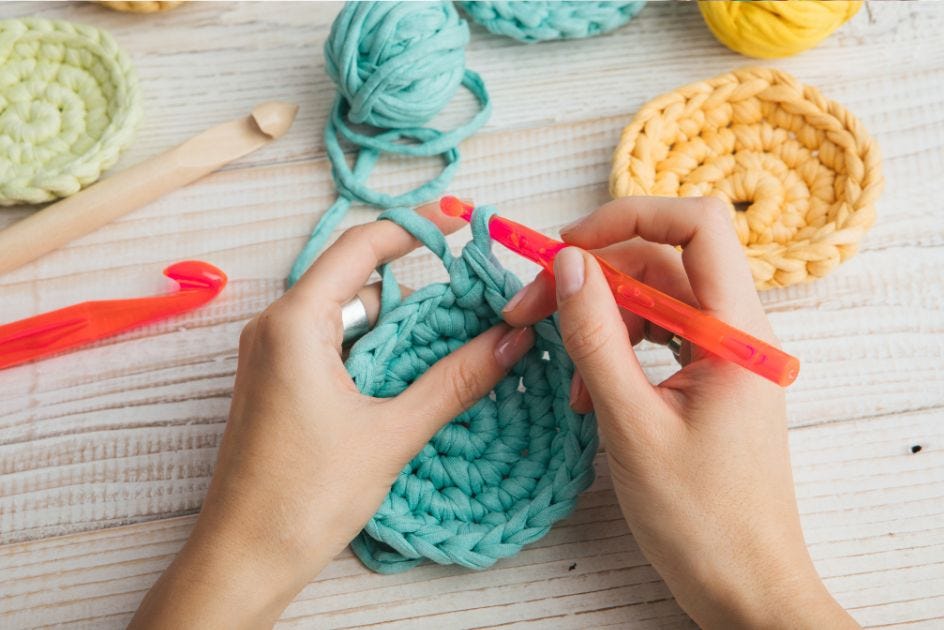
26. Crocheted Small Items
If you already crochet, small items can be started with yarn, hooks, tags, and packaging.
Ideas include:
-
Dishcloths
-
Face scrubbies
-
Bookmarks
-
Cup cozies
-
Ear warmers
-
Mini plushies
-
Plant hangers
-
Coasters
-
Ornaments
-
Market bags
-
Keychain charms
-
Baby booties
-
Coffee sleeves
-
Mug rugs
-
Small gift sets
-
Scrunchies
The trick is choosing products that do not take so long to make that your pricing becomes impossible.
27. Macramé Plant Hangers
Macramé can start with cord, rings, beads, scissors, and packaging. You could make plant hangers, wall hangings, keychains, car charms, curtain tiebacks, ornament sets, or wedding décor. This idea can work well for plant lovers, renters, boho décor shoppers, gift buyers, and small-space decorators.
28. Beaded Keychains and Bag Charms
Keychains and bag charms can be made with beads, charms, cord, tassels, rings, clasps, and packaging cards. You could create versions for teachers, book lovers, pet parents, travelers, bridesmaids, nurses, students, small-business owners, or sports teams. They are small, lightweight, and can work well as add-ons or market table products.
29. Magnets
Magnets can be made from clay, wood slices, bottle caps, printed art, resin, tiles, buttons, or mini frames. Ideas include funny kitchen magnets, bookish magnets, state magnets, garden magnets, teacher magnets, retro quote magnets, holiday magnets, or local souvenir magnets. Magnets are small, affordable, and easy to test in themed sets.
30. Ornaments
Ornaments can be made from wood, clay, paper, fabric, felt, thrifted jewelry pieces, buttons, photos, ribbon, or printed designs. They can be personalized for families, pets, weddings, new homes, babies, teachers, book lovers, gardeners, RV travelers, or small businesses. Christmas ornaments are obvious, but ornaments can also become keepsakes for weddings, memorials, housewarmings, graduations, and travel memories.
31. Felt Garland and Banners
Felt, twine, ribbon, and basic cutting tools can become garlands, banners, nursery décor, classroom décor, holiday decorations, party signs, or market booth decorations. You could make birthday banners, reading nook banners, seasonal garlands, baby shower décor, classroom alphabet garlands, or tiny booth signs for makers. This can be a low-cost product with strong visual appeal.
32. Garden Markers
Garden markers can be made from wood, clay, stamped metal, painted stones, thrifted spoons, or printed waterproof labels. You could create herb markers, vegetable markers, flower markers, houseplant tags, seed-starting labels, or funny plant labels. Gardeners are a great audience because they buy practical things, pretty things, and occasionally things that simply say what we are all thinking about zucchini.
33. Seed Packets and Garden Kits
If you have access to saved seeds or purchased seeds, you could create seed packet sets, garden gift kits, herb garden kits, pollinator garden kits, or beginner garden bundles. Check seed laws and labeling rules in your area before selling seeds. A safer variation is creating printable seed packets, garden journals, plant markers, or gift packaging for gardeners.
34. Small Art Prints
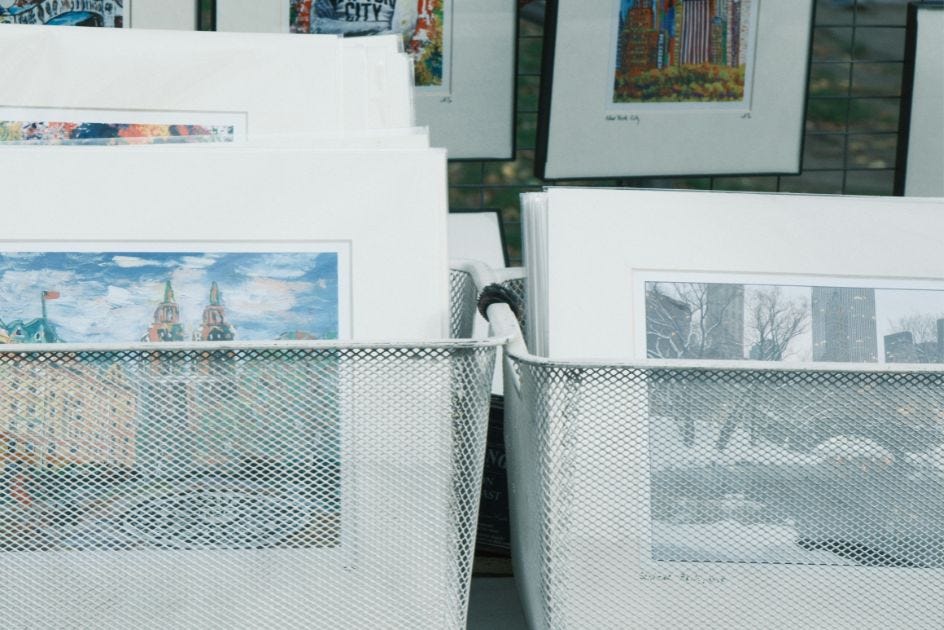
Small art prints can begin with your own drawings, paintings, digital designs, collage, public-domain art transformations, or photography. You could create prints for reading nooks, kitchens, nurseries, offices, gardens, classrooms, craft rooms, or seasonal décor. Prints can be physical, printable, or both. A small art print can also pair with greeting cards, stickers, bookmarks, and framed thrifted pieces.
35. Product Photography Props
Small businesses need affordable props for product photos. You could curate or make prop bundles using thrifted dishes, fabric, ribbons, trays, faux flowers, paper, books, tiles, small frames, and surfaces. Possible customers include candle makers, jewelry sellers, soap makers, bakers, stationery shops, bookish shops, and other handmade businesses. A prop bundle is useful because it saves someone else from hunting for all the little pieces themselves.
36. Market Booth Supplies
Makers who sell at markets need signs, tags, display pieces, packaging, table décor, price cards, inventory sheets, and small organizational tools.
You could create:
-
Price tags
-
Table signs
-
Care cards
-
Product labels
-
Vendor checklist printables
-
Booth planners
-
Small display risers
-
Tablecloth clips
-
Basket labels
-
Packaging sticker sets
This audience already understands handmade products and may be actively buying tools to support their own businesses.
37. Handmade Mini Notebooks
Mini notebooks can be made with paper, cardstock, staples, thread binding, covers, stickers, or printed designs. You could create pocket notebooks, gratitude notebooks, garden notes, book review notebooks, market notes, travel notes, teacher notebooks, or small-business idea notebooks. They can be sold individually, in themed sets, or as part of gift boxes.
38. Recipe Cards and Kitchen Printables
Recipe cards are simple, giftable, and useful. You could create physical recipe cards, printable recipe binders, meal planners, grocery lists, pantry labels, baking logs, sourdough trackers, or family recipe keepsake pages. This idea can be aimed at bakers, new homeowners, brides, college students, holiday hosts, or people trying to organize the drawer full of recipes ripped from magazines in 2007.
39. Personalized Labels
Labels can be made for pantry jars, spice containers, craft rooms, toy bins, classrooms, offices, wedding favors, product packaging, or small businesses. Depending on your tools, these can be printable labels, vinyl labels, handwritten labels, stamped labels, or digital templates. Personalized labels are practical, but they also make things feel more finished.
40. Simple Gift Boxes
Gift boxes can be curated around a theme without requiring you to make every item inside. You could create boxes for readers, gardeners, teachers, new homeowners, bridesmaids, writers, pet parents, college students, or holiday hosts. A simple box might include one handmade item, one printable, one thrifted container, and a few small sourced pieces. The business idea is the curation.
Keep the First Version Small
The goal with an under-$100 handmade business is not to build a perfect business immediately.
The goal is to test.
-
Can you make the product consistently?
-
Do you enjoy making it?
-
Can you photograph it well?
-
Can you price it in a way that makes sense?
-
Do people understand what it is?
-
Does anyone show interest?
-
Would the product work better for a more specific audience?
A tiny first batch can teach you more than a giant supply order.
Spend the First $100 Carefully
A small starting budget usually needs to cover the essentials.
That might include:
-
Basic materials
-
Simple tools
-
Packaging
-
Labels
-
Test supplies
-
Listing fees
-
Sample-making
-
A few props for photos
It probably should not all go toward logo design, complicated branding, or a giant inventory order. You do not need everything at the beginning. You need enough to make, test, photograph, and learn.
Use What You Already Have
The easiest way to stay under $100 is to begin with tools and supplies you already own.
-
If you already have a printer, start with printables, tags, cards, or labels.
-
If you already sew, start with fabric items.
-
If you already crochet, start with yarn-based products.
-
If you already garden, look at pressed flowers, garden markers, seed packets, or plant-themed products.
-
If you already thrift, look at baskets, frames, linens, jewelry, and craft supplies.
The best starting idea may already be sitting in a drawer, cabinet, closet, garage, or craft bin pretending it is not inventory.
Let the Audience Shape the Product
A low-cost product becomes more interesting when it is made for a specific person.
-
A bookmark is one idea.
-
A bookmark set for romance readers who annotate their books is another.
-
A pouch is one idea.
-
A travel medication pouch for RV travelers is another.
-
A candle is one idea.
-
A holiday-host candle called Yuletide Frayed is another.
-
A gift tag is one idea.
-
A cookie box tag for cottage bakers selling at Christmas markets is another.
The product does not have to be expensive to feel specific. It just needs a clear purpose and a clear audience.
Start Small Enough to Actually Start
There is nothing wrong with dreaming about bigger equipment, better tools, custom packaging, wholesale orders, and a full product line. But those things do not have to come first.
The first version can be small.
-
A few bookmarks.
-
A set of tags.
-
A dozen wax melts.
-
Three gift boxes.
-
A handful of thrifted frame makeovers.
-
One printable planner.
A small batch is enough to begin learning. And sometimes that is the real value of starting under $100. It lowers the pressure enough for the idea to actually move.
Subscribe if you’d like to keep brainstorming with me. We’ll continue exploring handmade products, creative niches, audiences, and all the different directions one good idea can go.