
Products You Can Make in a Small Space
Handmade business ideas for kitchen tables, spare corners, apartment desks, shared rooms, and anyone without a dedicated studio
You do not need a giant studio to start a creative business. It would be lovely, obviously. A whole room with shelves, worktables, beautiful lighting, labeled drawers, a shipping station, a photography corner, and maybe a door that closes so no one can ask what is for dinner while you are trying to package orders. But that is not where everyone starts. A lot of handmade businesses begin on kitchen tables, bedroom desks, garage shelves, dining room corners, folding tables, rolling carts, coffee tables, and any available flat surface that can be cleared off for an hour. Sometimes the question is not, “What would I make if I had more space?” Sometimes the better question is, “What can I make with the space I actually have?”

A small space does not mean your ideas have to be small. It just means the product has to work with your real life. Small-space products usually need a few things in common. They should use supplies that are easy to store, tools that do not take over the whole house, products that are not impossible to package, and a process you can set up and put away without needing an emotional support nap afterward.
Here are handmade and creative product ideas you can make in a small space.
Bookmarks
Bookmarks are one of the easiest products to make in a small workspace. They can be made from cardstock, watercolor paper, laminated designs, fabric scraps, pressed flowers, beads, charms, ribbon, or printable artwork. They do not require much room to make, store, photograph, or ship. You could create bookmarks for romance readers, fantasy readers, teachers, book clubs, students, writers, library lovers, or people who have seven books in their TBR pile and still bought three more. A bookmark business can also grow into reading journals, bookish stickers, Kindle inserts, book sleeves, gift tags, and reader gift boxes.
Greeting Cards
Greeting cards are a strong small-space product because the supplies can fit in a drawer or rolling cart. You can make hand-lettered cards, collage cards, watercolor cards, printed cards, funny cards, sympathy cards, birthday cards, wedding cards, teacher cards, or holiday cards. Cards can be sold individually, in sets, or as printable downloads. The product is small, but the audience can be very specific. A birthday card for anyone is one idea. A birthday card for introverts, gardeners, book lovers, new moms, sarcastic best friends, or exhausted small-business owners is another.
Gift Tags and Packaging Tags
Gift tags are small, useful, and easy to make in batches. You could create tags for holidays, weddings, baby showers, cottage food products, teacher gifts, handmade packaging, market vendors, cookie boxes, jars, candles, soaps, or gift baskets. This is a nice product category because it can serve both regular gift-givers and other small-business owners. You can make physical tags, printable tags, or matching digital and physical sets.
Stickers
Stickers can be made in a small space if you have a home printer, sticker paper, scissors, a paper trimmer, or a cutting machine you already own. You can also design them at home and outsource printing in small batches. Sticker ideas include planner stickers, packaging stickers, bookish stickers, feminist stickers, garden labels, small-business thank-you stickers, laptop stickers, water bottle stickers, teacher stickers, or funny niche sayings. Stickers are small to store and ship, and they work well as add-ons. The key is not just making cute stickers. The key is making stickers for a clear audience.
Printable Digital Products
Digital products are one of the best options for small spaces because they do not require physical inventory. You could create printable wall art, planner pages, gift tags, bookmarks, recipe cards, small-business checklists, travel logs, party games, journal pages, packaging inserts, or seasonal printables. A digital product business still takes work. You need to create, list, describe, market, and support the product. But you do not need a storage room full of supplies. Digital products can also pair with physical products. A physical bookmark can have a matching printable reading log. A gift tag set can be sold as both printed tags and a digital download. A handmade business planner can exist as a printable, a digital file, or later a physical book.
Jewelry
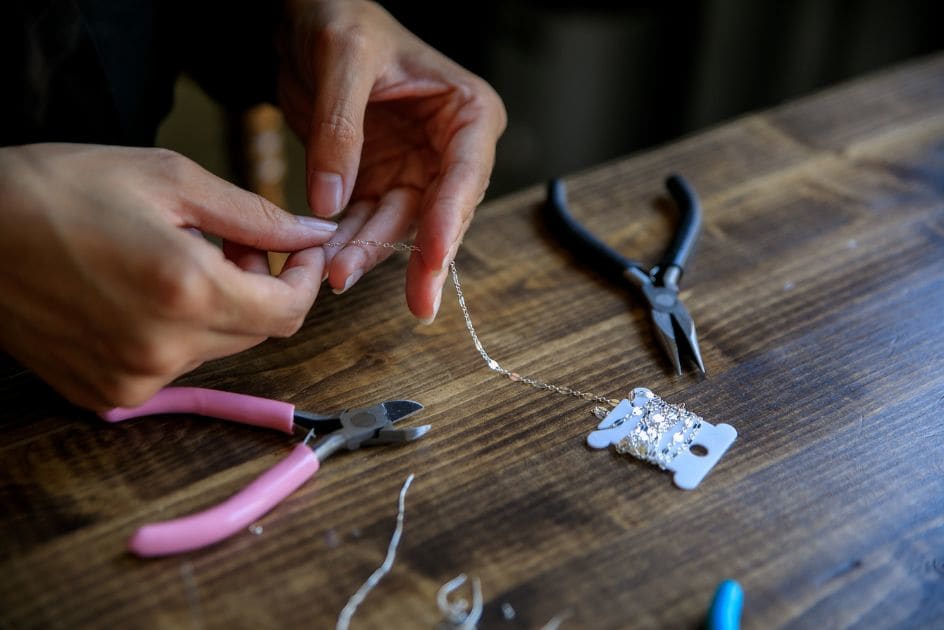
Jewelry can be a good small-space business because the supplies can fit into small organizers. You could make earrings, bracelets, charm necklaces, beaded rings, bag charms, zipper pulls, keychain charms, or simple pendant necklaces. Possible materials include beads, charms, chains, wire, thrifted jewelry pieces, vintage buttons, clay, resin, shrink plastic, fabric scraps, or small found objects. Jewelry works best when it has a point of view. Instead of making a random mix of pretty earrings, you could create jewelry for book lovers, gardeners, cottagecore shoppers, teachers, bridesmaids, fantasy fans, vintage lovers, or people who want accessories that feel one-of-a-kind.
Button Jewelry
Buttons are small, affordable, easy to thrift, and surprisingly useful. You could make button earrings, button bracelets, brooches, necklaces, hair clips, sewing-themed gift sets, or mixed-media pieces. This could work especially well for vintage lovers, quilters, sewists, retro fashion fans, teachers, and people who love accessories with a little story behind them. A jar of buttons does not take up much room, but it can become a lot of products.
Clay Earrings and Charms
Air-dry clay or polymer clay can be used in a small space with basic tools. You could make earrings, charms, ornaments, magnets, pins, keychain pieces, mini wall hangings, or tiny decorative objects. Clay products can be made for holidays, teachers, book lovers, gardeners, bridesmaids, pet parents, fantasy lovers, or local gift shops. This is a good category to start small because it is very easy to overbuy supplies before you know what style people actually want. A small batch can teach you a lot.
Magnets
Magnets are small, affordable, and easy to make in a limited workspace. They can be made from clay, wood slices, bottle caps, printed art, vintage buttons, mini frames, tiles, or small resin pieces. Ideas include funny kitchen magnets, bookish magnets, garden magnets, teacher magnets, retro quote magnets, holiday magnets, local souvenir magnets, or tiny art magnets. Magnets can be sold in sets, themed bundles, or as impulse-buy products at markets.
Ornaments
Ornaments do not have to be limited to Christmas. You could create ornaments for new homes, weddings, babies, pets, memorials, graduations, travel memories, book lovers, gardeners, teachers, RV travelers, and small businesses. Materials could include wood, clay, paper, felt, fabric scraps, ribbon, buttons, charms, printed artwork, or thrifted jewelry pieces. They are small to store, easy to ship, and can be built into seasonal collections. Christmas can be one collection, not the whole business.
Candles in Small Batches
Candles can be made in a small space if you keep the operation simple and do not try to launch too many scents at once. You need room for wax, fragrance oils, jars, wicks, labels, testing supplies, and a safe work surface. A small first collection might include two or three scents for a specific audience. You could create candles for book lovers, writers, gardeners, new homeowners, holiday hosts, teachers, brides, or fantasy lovers. Candles require careful testing, safe materials, proper labels, and grounded descriptions. Do not rush the process or make unsupported therapeutic, medical, deodorizing, pet-safe, or health-related claims. But as a small-batch product, candles can fit into a small workspace if you keep the product line focused.
Wax Melts
Wax melts may be more small-space friendly than candles because they do not require jars or wicks. You still need wax, fragrance oils, molds, labels, packaging, and testing, but the finished products are small and easy to store. You could create wax melts for seasonal collections, bookish scent lines, cozy home scents, fantasy themes, holiday hosts, gardeners, writers, or self-care gift sets. They can also work well as sample packs or bundles.
Room Sprays
Room sprays are another small product, but they still require good formulation, ingredient awareness, bottles, labels, and safety information. You could create linen sprays, bathroom sprays, car sprays, holiday sprays, cozy home sprays, guest-room sprays, or desk-area sprays. Avoid making claims you cannot support. A room spray can be about scent, atmosphere, and mood without promising to treat anything, purify anything, or be safe for every pet and person in every situation.
Bath Soaks
Bath soaks can be made with salts, dried botanicals, fragrance, essential oils, jars or bags, labels, and small scoops. They do not take a huge amount of space, and they can be made in small batches. Possible audiences include bridesmaids, teachers, gardeners, self-care shoppers, holiday gift buyers, new moms, and people who would like the household to stop needing them for twenty minutes. Bath products require care with ingredients, labeling, sanitation, allergens, and shelf life. Keep the descriptions grounded and the batches manageable.
Sugar Scrubs
Sugar scrubs can be made in a small space with sugar, oils, fragrance, jars, labels, and simple packaging. They can be sold as self-care gifts, bridesmaid gifts, teacher gifts, holiday gifts, or spa-style gift sets. As with any bath and body product, pay attention to ingredients, shelf life, sanitation, labeling, and avoiding unsupported health claims. A small first collection is smarter than launching too many scents at once.
Lip Balm
Lip balm is small, practical, and easy to store, but it still requires careful formulation, sanitation, labeling, and ingredient awareness. You could create simple lip balms, tinted balms, holiday balms, gift sets, bridesmaid favors, winter care sets, or market table add-ons. This can be a good small-space product because the supplies and finished inventory do not take over the house. But because it goes on the body, it needs more care than a paper product or décor item.
Crocheted Small Items
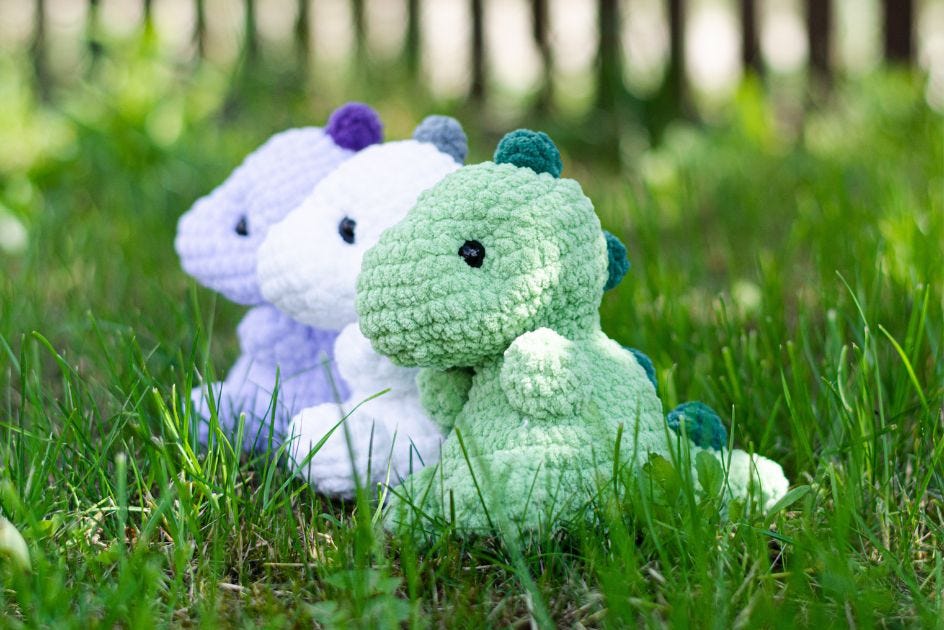
Crochet can be very small-space friendly if you choose products that do not require huge yarn storage or long production times.
Ideas include:
-
Bookmarks
-
Coasters
-
Dishcloths
-
Face scrubbies
-
Cup cozies
-
Ear warmers
-
Keychain charms
-
Mini plushies
-
Ornaments
-
Mug rugs
-
Plant hangers
-
Hair accessories
-
Small bags
-
Baby booties
-
Gift sets
The main question is whether the item can be priced in a way that makes sense for the time it takes to make. Small does not always mean quick.
Embroidery Hoop Art
Embroidery can be done almost anywhere with a hoop, needle, thread, fabric, and good lighting. You could create hoop art, ornaments, bookmarks, tea towels, handkerchiefs, patches, baby keepsakes, wedding gifts, or framed textile art. Embroidery is slower, but it can feel personal, detailed, and giftable. It also works well for specific niches like book lovers, gardeners, pet memorials, wedding keepsakes, cottagecore décor, and funny domestic rage stitched in very pretty thread.
Cross-Stitch Patterns and Kits
If you enjoy designing patterns, cross-stitch can become both a physical and digital product business. You could sell finished pieces, downloadable patterns, small kits, beginner kits, holiday patterns, feminist patterns, bookish patterns, garden patterns, or funny home décor patterns. Digital patterns take very little space, while kits require supplies but can still be stored in bins or drawers. This is another category where your niche matters. A generic floral pattern is one idea. A tiny sarcastic floral pattern for women who have had enough is another.
Scrunchies
If you already have a sewing machine, scrunchies are a small product that can be made from fabric scraps, thrifted textiles, satin, cotton, velvet, flannel, or seasonal prints. They are easy to store, lightweight to ship, and good for sets. You could make scrunchies for bridesmaids, teachers, students, holiday outfits, cottagecore shoppers, readers, gardeners, or market table impulse buys. This can also be a good way to use leftover fabric from other products.
Headbands and Hair Bows
Hair accessories can be made in a small space and grouped by color, season, theme, or audience. Ideas include fabric headbands, knotted headbands, hair bows, barrettes, flower clips, hair scarves, bridal clips, kid bows, or holiday hair accessories. These products are small, giftable, and easy to photograph in collections.
Small Sewn Pouches
If you already have a sewing machine, small pouches can be made in a small workspace. You could create makeup bags, pencil pouches, book annotation pouches, crochet tool bags, medication pouches, dog-walking supply pouches, travel pouches, or small-business supply pouches. The product becomes easier to sell when the purpose is clear. A pouch is one idea. A pouch for Kindle chargers, annotation tabs, and emergency chocolate is much more specific.
Reusable Gift Bags
Reusable gift bags can be sewn from thrifted fabric, cotton, holiday fabric, ribbon, or fabric remnants. They are useful for Christmas, birthdays, weddings, baby showers, Easter baskets, book gifts, hostess gifts, and small-business packaging. They can also be made in batches and stored flat. This is a good small-space product because it can shift with the season and occasion.
Bowl Cozies
Bowl cozies are compact, practical, and giftable. They can be made in a small sewing area and sold individually, in sets, or as part of kitchen gift bundles. If they are intended for microwave use, use appropriate materials and include safe-use instructions. They could be marketed to soup lovers, college students, new homeowners, holiday gift buyers, teachers, or people who eat leftovers while standing in the kitchen pretending it counts as a meal.
Tea Towels
Tea towels can be decorated, embroidered, block-printed, screen-printed, appliquéd, or bundled with other kitchen products. You could make towels for bakers, gardeners, holiday hosts, new homeowners, coffee lovers, cottage kitchens, bookish kitchens, or small-business gift boxes. They are flat, easy to store, and good for seasonal collections.
Mini Notebooks
Mini notebooks can be made with paper, cardstock, printed covers, staples, thread binding, or simple bookbinding tools. You could create notebooks for garden notes, book reviews, grocery lists, travel notes, business ideas, market booth notes, gratitude lists, or tiny daily planning. They can be sold individually, in themed sets, or inside gift boxes.
Junk Journal Kits
Junk journal kits can be assembled from old book pages, maps, envelopes, vintage paper, fabric scraps, lace, ribbon, tags, stickers, and ephemera. The supplies can fit into bins, drawers, or envelopes, making this a good small-space idea if you are organized. Themes could include garden journals, travel journals, writer’s journals, cottagecore journals, dark academia kits, vintage Christmas kits, recipe journals, or book lover journals. The value is in the curation.
Collage Packs
Collage packs are similar to junk journal kits but can be even simpler. You could gather paper scraps, book pages, patterned paper, tissue paper, fabric pieces, labels, tags, trims, and small embellishments into themed packs. Ideas include moody botanical packs, retro kitchen packs, bookish collage packs, neutral paper packs, colorful art packs, vintage romance packs, or holiday packs. These are small to store and easy to mail.
Thrifted Craft Supply Bundles
If you love thrifting, craft supply bundles can be a small-space business. You could curate vintage buttons, lace, ribbon, fabric scraps, beads, paper, embroidery supplies, yarn, old patterns, sewing notions, or small craft books. Instead of selling random supplies, group them by color, project, era, or style. A cottagecore lace-and-button bundle feels more intentional than a bag of miscellaneous notions.
Product Photography Prop Bundles
Many small-business owners need simple props for product photos. You could create small prop bundles using thrifted items, fabric pieces, ribbons, mini frames, trays, old books, faux flowers, textured paper, tiles, or small dishes. Possible audiences include jewelry sellers, candle makers, soap makers, stationery shops, bookish shops, vintage sellers, bakers, and other handmade businesses. This is a small-space idea because the products are usually compact and curated.
Labels and Pantry Stickers
Labels are useful for pantry jars, spice containers, craft rooms, classrooms, offices, toy bins, wedding favors, product packaging, and small businesses. You could make printable labels, vinyl labels, handwritten labels, sticker labels, or digital templates. Labels are small, practical, and easy to create around specific audiences. A pantry label set is one idea. A cottage baker packaging label set is another.
Recipe Cards and Kitchen Printables
Recipe cards, meal planners, pantry lists, baking logs, grocery lists, sourdough trackers, and family recipe pages can all be made in a small space. These can be physical products, printable downloads, or both. They work well for bakers, new homeowners, brides, college students, holiday hosts, meal planners, and people trying to organize the drawer full of recipes ripped from magazines in 2007.
Small Art Prints
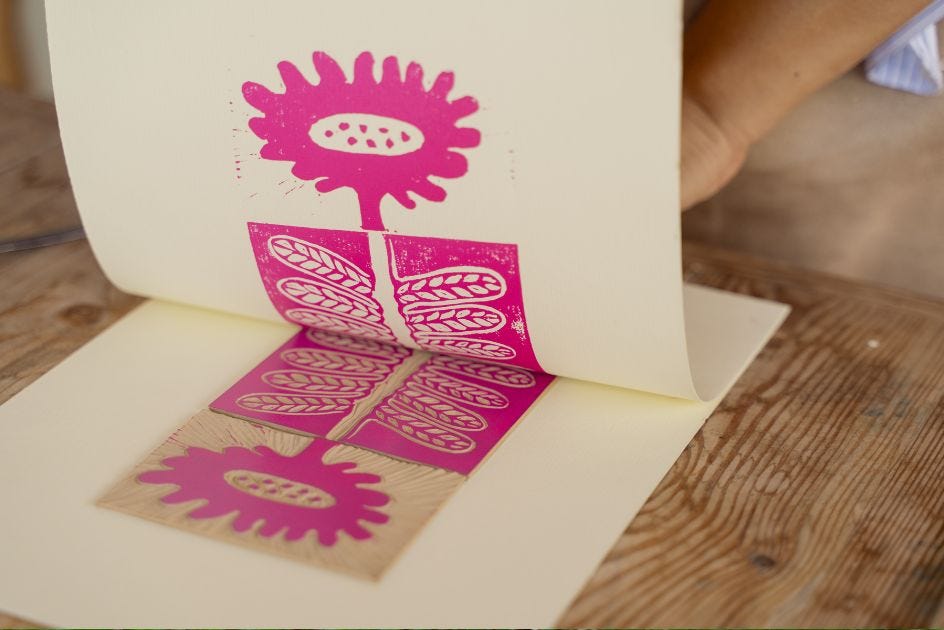
Small art prints are easier to store and ship than large framed pieces. You could create prints from your own drawings, paintings, digital designs, collages, public-domain transformations, or photography. Ideas include art for reading nooks, kitchens, nurseries, offices, craft rooms, classrooms, bathrooms, gallery walls, holidays, or seasonal décor. Small prints can also become cards, stickers, bookmarks, framed thrifted pieces, or digital downloads.
Gift Boxes
Gift boxes can be made in a small space if you keep them compact and focused. You could create boxes for readers, gardeners, teachers, bridesmaids, new homeowners, writers, pet parents, college students, holiday hosts, or small-business owners. A simple box might include one handmade item, one printable, one thrifted container, and a few small sourced pieces. The business idea is not necessarily making every item from scratch. The business idea is the curation.
What Makes a Product Small-Space Friendly?
A small-space product usually has at least a few of these qualities:
-
Supplies are easy to store
-
Tools can be put away
-
Finished inventory does not take over the house
-
The product can be made in batches
-
It ships easily
-
It photographs well in a small setup
-
It does not require messy or unsafe processes
-
It can be organized in bins, drawers, or carts
-
It can grow into collections without requiring huge equipment
The best product for a small space is not always the smallest product.
It is the product you can realistically make, store, photograph, package, and repeat without your home becoming an obstacle course.
Think in Stations, Not Studios
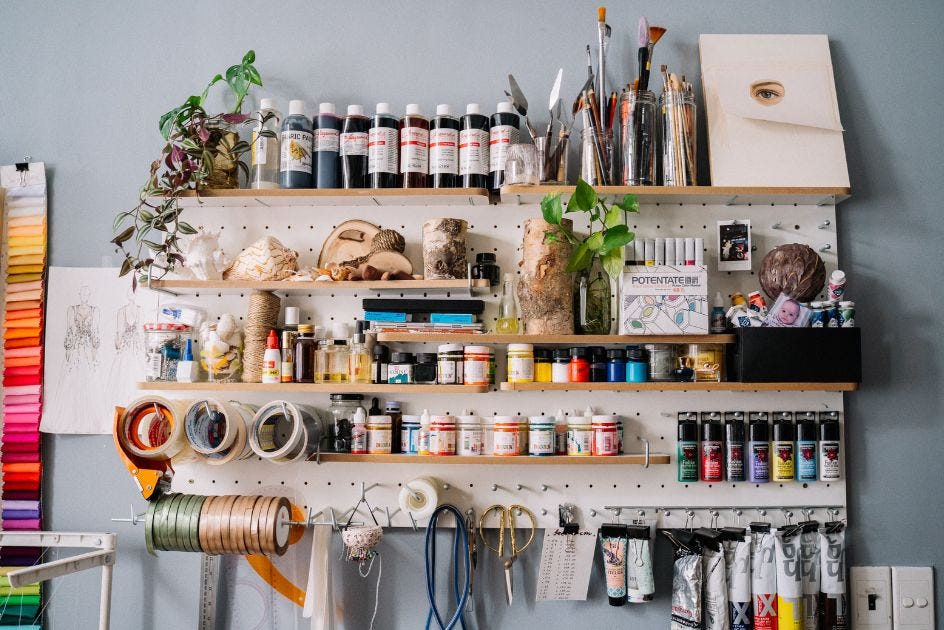
If you do not have a dedicated studio, it can help to think in stations.
-
A rolling cart can become a sticker station.
-
A drawer can become a jewelry station.
-
A bin can become a candle-testing station.
-
A folder can become a printable-product planning station.
-
A small shelf can become a packaging station.
-
A tray can become a photography setup.
You do not need a whole room. You need a system you can pull out, use, and put away.
That may not sound glamorous, but neither is stepping over a pile of shipping boxes in the hallway while wondering where the tape went.
Build Collections That Stay Manageable
Small-space businesses work best when the product line does not sprawl too fast.
Instead of making fifty unrelated things, build small collections around one audience or use.
For example:
-
A reader collection could include bookmarks, stickers, mini notebooks, Kindle inserts, and bookish art prints.
-
A gardener collection could include plant markers, seed packet labels, garden journal pages, pressed flower bookmarks, and botanical art.
-
A holiday host collection could include gift tags, recipe cards, ornaments, wax melts, and funny kitchen towels.
-
A small-business owner collection could include packaging stickers, thank-you cards, care cards, product tags, and photo prop bundles.
A product line feels bigger when the pieces belong together. You do not need more space. You need more focus.
Let the Audience Shape the Product
A small product becomes more interesting when it is made for a specific person.
-
A sticker is one idea.
-
A sticker for cottage bakers packaging Christmas cookie boxes is another.
-
A pouch is one idea.
-
A pouch for readers who carry annotation tabs, pens, and a Kindle charger is another.
-
A candle is one idea.
-
A candle for holiday hosts called Yuletide Frayed is another.
-
A recipe card is one idea.
-
A recipe card set for new homeowners starting their first family recipe binder is another.
The product does not have to be large to feel thoughtful.
It just needs a clear purpose and a clear audience.
Start With the Space You Actually Have
It is easy to postpone a creative business until the conditions look better.
-
When you have more room.
-
When the garage is organized.
-
When the spare bedroom is empty.
-
When the kids move out.
-
When the dining table is no longer serving as a desk, craft station, and laundry folding area, while also trying to support mealtimes.
But you can start smaller than that.
You can start with one drawer.
One bin.
One rolling cart.
One shelf.
One product.
One batch.
A small space can still hold a real idea.
And sometimes the limits are what force the idea to become clearer, simpler, and easier to begin.
Subscribe if you’d like to keep brainstorming with me. We’ll continue exploring handmade products, creative niches, audiences, and all the different directions one good idea can go.