My shopping cart
Your cart is currently empty.
Continue ShoppingCandles are one of those handmade products that can feel almost too common at first. There are already candles everywhere. Holiday candles. Bookish candles. Spa candles. Funny candles. Luxury candles. Tiny tins. Big jars. Wax melts. Room sprays. Gift sets. You can even design labels for print-on-demand candles. So it is easy to look at the candle market and think, “Well, that’s already been done.” But the more useful question is not whether candles exist. They do.
The better question is: who is this candle for? Because a candle made for a romance reader is not the same as a candle made for a gardener. A candle for a new homeowner has a different feeling than one made for a stressed-out teacher, a pet parent, a bride, or someone who wants their kitchen to smell like they baked something without actually turning on the oven.
The wax may be the same. The jar may be the same. Even the scent notes may overlap. But the audience changes the entire idea. The name changes. The label changes. The packaging changes. The giftability changes. The photos, colors, collection names, and marketing all start to move in a different direction. That is why candles are such a good example of how one familiar product can become many different businesses. You are not just pouring wax into a container. You are creating a mood, a moment, a memory, or a tiny little personality in a jar.
Here are ten audiences you could build a candle collection around.
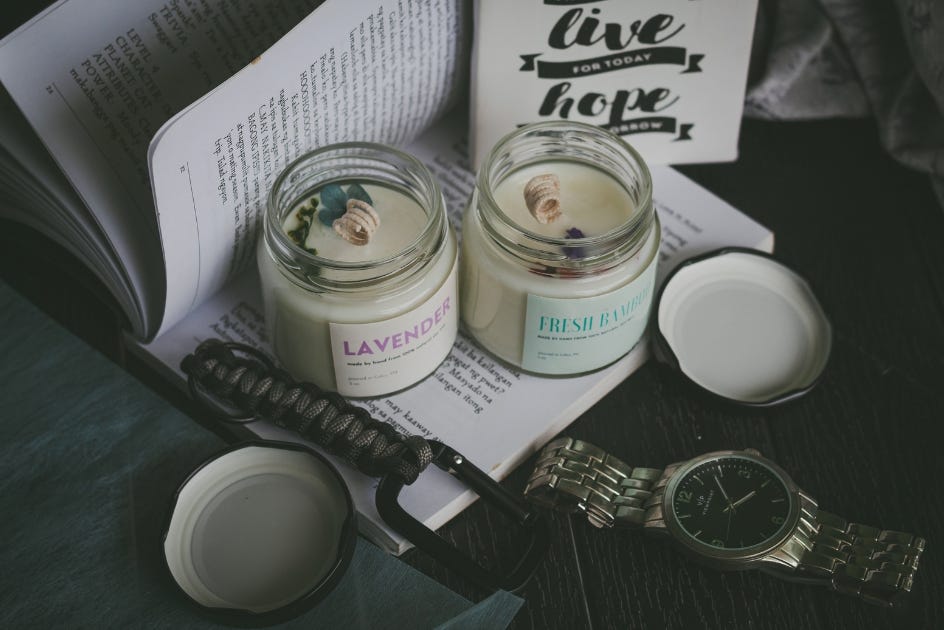
Bookish candles are already popular, but there is still plenty of room to make them feel specific. A candle for readers does not have to be called “Old Books” and smell like vanilla and dust, although honestly, I understand the appeal. You could create candles around reading moods, genres, settings, or rituals.
Possible ideas include:
Rainy Day Reading — black tea, vanilla, rainwater, and soft linen
Gothic Library — leather, amber, cedar, and dusty vanilla
Bookstore at Closing Time — paper, espresso, sandalwood, and warm light
Just One More Chapter — chamomile, honey, and sleepy lavender
Cozy Mystery Night — lemon cake, black tea, and a suspicious hint of clove
Fantasy Tavern — smoked wood, spiced cider, leather, and hearth smoke
Romance Novel Weekend — rose petals, champagne, peach, and vanilla musk
Dark Academia Desk — ink, cedar, black coffee, and old paper
Library Card — cotton, paper, soft woods, and a little nostalgia
Reading Under a Blanket — cashmere, vanilla, tonka, and warm milk
A fantasy reader may love smoky woods, spice, leather, and herbs. A romance reader may respond to rose, vanilla, champagne, peach, or warm amber. A cozy mystery reader might like tea, lemon cake, rain, and a suspiciously charming small town.
You could also create reading-night gift sets with a candle, bookmark, book sleeve, reading journal, tea, or stickers. The candle is not just a scent. It becomes part of the reading ritual.
A gardener candle could be built around herbs, flowers, soil, sunshine, fruit trees, greenhouses, or that very specific happiness of walking outside and seeing something finally bloom.
Possible candle concepts include:
Tomato Leaf Morning — tomato vine, basil, green leaves, and sun-warmed soil
Greenhouse After Rain — damp earth, fern, cucumber, and fresh rain
Lavender Rows — lavender, rosemary, sage, and dry summer air
Herb Garden — basil, mint, thyme, and lemon peel
Fresh Cut Rosemary — rosemary, cedar, sea salt, and cracked pepper
Lemon Tree in Bloom — lemon blossom, neroli, green leaves, and honey
Dirt Under My Nails — potting soil, moss, vetiver, and tomato stem
Cottage Garden — rose, peony, honeysuckle, and fresh-cut grass
Wildflower Fence Line — wildflowers, hay, clover, and warm breeze
First Tomato of Summer — tomato leaf, basil, citrus, and garden soil
This audience could lean practical, beautiful, earthy, floral, funny, or nostalgic. A gardener may enjoy scents that feel fresh and botanical rather than overly perfumed. Think basil, rosemary, mint, tomato leaf, lemon, lavender, jasmine, honeysuckle, rain, soil, cedar, and wildflowers. A candle collection for gardeners could also pair beautifully with plant markers, seed packets, garden journals, pressed-flower bookmarks, or gardening gift baskets.
Writers are a wonderful candle audience because writing already comes with so many moods, rituals, and dramatic little battles with the blank page. A writer candle could be cozy, moody, funny, focused, romantic, or a little unhinged in the best way.
Possible ideas include:
Blank Page Bravery — white tea, clean paper, cedar, and bergamot
Revision Cave — black coffee, sandalwood, amber, and stubbornness
Chapter Twenty-Two — rain, ink, vanilla, and emotional damage
Plot Twist — black pepper, smoked vanilla, clove, and dark plum
Writer’s Desk — cedar, paper, coffee, and soft musk
Deadline Panic — espresso, cinnamon, burnt sugar, and mild fear
Midnight Draft — dark chocolate, coffee, amber, and candle smoke
Character Development — leather, rose, tobacco leaf, and complicated choices
Just One More Scene — chai, vanilla, maple, and late-night optimism
The Muse Finally Showed Up — citrus, champagne, honey, and fresh paper
You could create candles for novelists, poets, journalers, memoir writers, romance authors, fantasy writers, screenwriters, or people who own twelve notebooks and still buy another one because this one is obviously different. The scent could match the writing mood: coffee, cedar, ink, amber, rain, paper, tea, vanilla, tobacco leaf, leather, or soft woods. A writer-focused candle could pair well with notebooks, pens, bookmarks, desk signs, prompt cards, writing trackers, or gift boxes for writing retreats.
Teachers are a strong gift audience because candles can be easy to buy, easy to personalize, and simple to pair with other small gifts. A teacher candle could be sweet, funny, calming, or seasonal.
Possible ideas include:
Summer Break — coconut, lime, sunscreen, and freedom
Graded Papers & Coffee — espresso, paper, vanilla, and patience
Classroom After Hours — pencil shavings, clean linen, apple, and quiet
Teacher Tired — lavender, chamomile, vanilla, and soft pajamas
Quiet Classroom — cotton, white tea, cedar, and a miracle
First Day Energy — crisp apple, citrus, fresh paper, and sharpened pencils
Last Bell — lemon, mint, sunshine, and unlocked doors
Parent Email Recovery — bergamot, lavender, and deep breathing
Apple Orchard — apple, pear, cinnamon, and fall leaves
Desk Drawer Chocolate — cocoa, vanilla, caramel, and survival
This category could work for Christmas, teacher appreciation, back-to-school, end-of-year gifts, retirement gifts, or small thank-you gifts. You could design different candles for preschool teachers, school librarians, art teachers, music teachers, homeschool parents, coaches, or office staff. Packaging matters here because many teacher gifts are bought quickly and in multiples. A candle that already looks gift-ready can feel much more appealing.
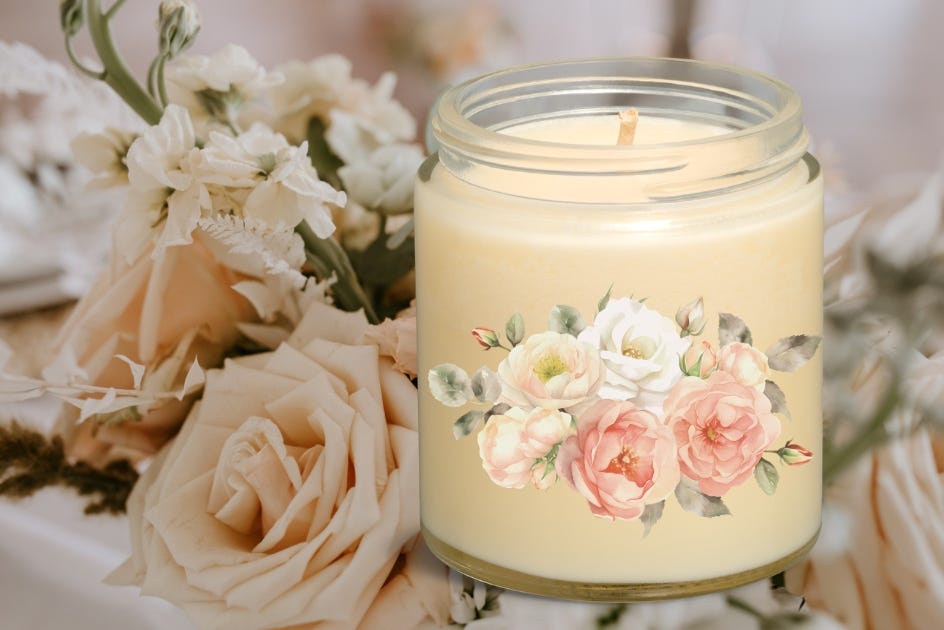
Candles are a natural fit for weddings because they can be decorative, useful, personalized, and giftable.
You could create:
Wedding Morning — champagne, pear, white florals, and soft musk
Bridesmaid Proposal — pink peony, vanilla, strawberry, and sparkling sugar
Garden Ceremony — rose, jasmine, greenery, and morning dew
Beach Wedding — sea salt, coconut, citrus, and sun-warmed skin
Fall Bride — apple, amber, cinnamon, and cashmere
Something Blue — blueberry, white tea, linen, and soft woods
First Dance — vanilla orchid, sandalwood, amber, and champagne
Honeymoon Suite — coconut, sandalwood, jasmine, and warm vanilla
Mother of the Bride — white rose, tea, honey, and soft powder
Anniversary Toast — prosecco, peach, vanilla, and golden amber
The scent and label could match the wedding season, colors, venue, or couple’s story. A beach wedding candle might smell like sea salt, coconut, and citrus. A fall wedding candle might use apple, amber, cinnamon, or woods. A garden wedding candle could lean floral and green. This audience may care about personalization, presentation, and cohesive design. A candle business for weddings could also expand into wax seals, favor tags, matchboxes, table signs, welcome bags, or gift boxes.
A candle is a classic housewarming gift because it helps a new space feel warm, lived-in, and personal.
Possible ideas include:
New Home Glow — vanilla, amber, sandalwood, and warm light
First Night In — clean cotton, cedar, takeout boxes, and relief
Kitchen Window — lemon, basil, white tea, and morning sun
Welcome Home — cashmere, vanilla, soft woods, and fresh linen
Fresh Paint & Big Dreams — clean linen, cedar, citrus, and new beginnings
Keys on the Counter — leather, oak, amber, and warm musk
Cozy Entryway — sandalwood, fig, vanilla, and soft spice
Sunday Morning in the New House — coffee, maple, cream, and sunlight
Housewarming — pear, honey, vanilla, and gentle florals
Home Sweet Almost Unpacked Home — cardboard, coffee, clean sheets, and optimism
You could create candles for first-time homeowners, renters moving into a new apartment, newlyweds, people buying an RV, or someone setting up a home office. A new-home candle could be paired with a personalized cutting board, keychain, address ornament, recipe cards, tea towels, coasters, or a small house portrait. This category works well year-round.
Self-care candles can easily become generic if the label simply says “Relax.” The stronger direction is to think about the specific person or moment.
Who needs the candle, and why?
Possible ideas include:
Ten Minutes Alone — lavender, vanilla, chamomile, and silence
Soft Pajamas — cashmere, tonka, warm milk, and linen
Phone on Silent — white tea, bergamot, sandalwood, and peace
Sunday Reset — eucalyptus, mint, clean cotton, and citrus
Clean Sheets — linen, lavender, ozone, and fresh air
Bath Water Too Hot — eucalyptus, rosemary, steam, and sea salt
I Need Everyone to Stop Talking — chamomile, amber, vanilla, and boundaries
After the Errands — lemon, tea, honey, and couch time
Permission to Rest — sandalwood, lavender, soft musk, and vanilla
The Door Is Locked for a Reason — bergamot, cedar, warm amber, and privacy
This audience could include busy moms, caregivers, burnt-out employees, introverts, people recovering from long weeks, or anyone trying to make a small pocket of peace in the middle of regular life. Scents might include lavender, chamomile, eucalyptus, bergamot, sandalwood, vanilla, linen, tea, or soft woods.
Avoid making medical or therapeutic claims. You do not need to promise that the candle will heal anyone’s nervous system. It can simply support a ritual of rest.
This is a fun audience because small-business owners have very specific seasons, emotions, and inside jokes.
Possible candle names include:
Market Morning — coffee, cardboard boxes, fresh air, and nervous energy
Inventory Panic — espresso, cedar shelves, paper labels, and adrenaline
Label Printer Betrayal — burnt sugar, black coffee, plastic, and rage
One More Listing — vanilla latte, paper, amber, and optimism
Vendor Booth Coffee — cold brew, cinnamon, canvas tent, and dust
Sold Out, Somehow — champagne, citrus, and happy confusion
Packing Orders at Midnight — tape, paper, cocoa, and tired joy
Restock Day — cedar, fresh cotton, coffee, and possibility
The Algorithm Is Moody — black tea, smoke, clove, and confusion
Tax Season, Send Snacks — chocolate, espresso, caramel, and paperwork
A maker candle could be sold as a gift for creative friends, market vendors, Etsy sellers, artists, photographers, bakers, writers, or boutique owners. You could create scents around the experience of making: coffee, cardboard boxes, fresh paper, cedar shelves, vanilla bakery, craft-room chaos, or late-night productivity. This could pair well with notebooks, stickers, market-day kits, packaging supplies, desk signs, or gift baskets for small-business owners.
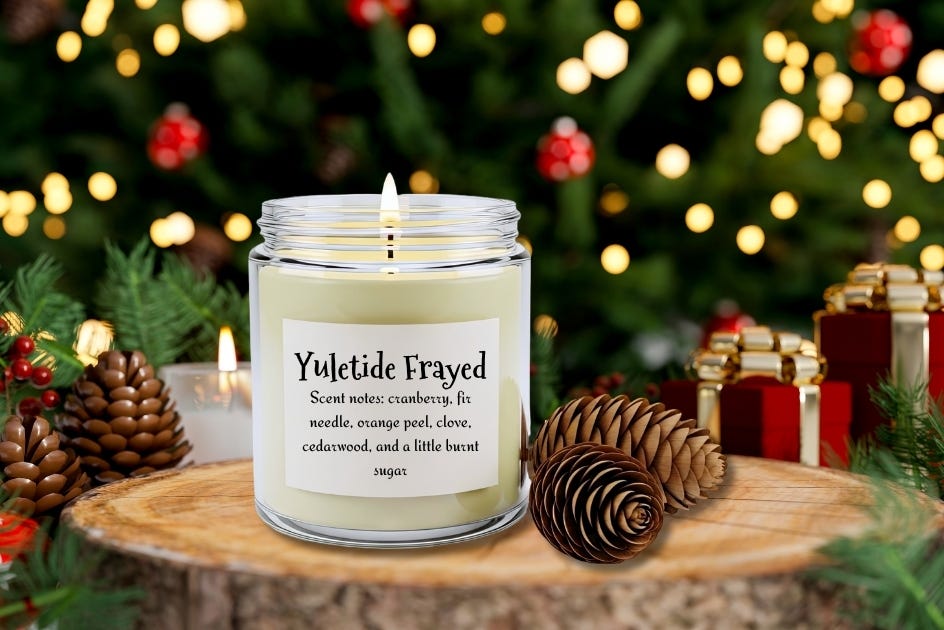
Holiday hosting is a huge candle opportunity, and it does not have to stop at Christmas.
You could create candles for:
Thanksgiving dinner
Christmas morning
New Year’s Eve
Valentine’s night in
Easter brunch
Mother’s Day
Summer barbecues
Fall gatherings
Halloween parties
Birthday dinners
Possible candle names include:
Guests Are Coming — lemon, pine, vanilla, and panic
Clean Kitchen Lie — citrus, fresh linen, and hidden clutter
Pie Cooling on the Counter — apple, cinnamon, butter crust, and brown sugar
Holiday House — pine, orange peel, clove, and fireplace smoke
The Good Towels Are Out — cotton, white tea, lavender, and company manners
Company’s Coming — cranberry, orange, cinnamon, and speed cleaning
Brunch at Eleven — mimosa, vanilla pastry, coffee, and fresh flowers
After Dinner Coffee — espresso, chocolate, cream, and conversation
Wrapped Gifts & Peppermint — peppermint, mocha, paper, and tape
Someone Hide the Clutter — cedar closet, citrus spray, and desperation
Holiday-host candles could become part of hostess gift sets with tea towels, cocktail napkins, coasters, recipe cards, serving spoons, or small-batch food items.
This is also a good example of how Christmas can be one collection rather than the whole business. The same host-focused candle line can continue throughout the year.
This is where you can get silly in the best way.
A whimsical candle collection could be built around imaginary places, magical mishaps, fairytale chores, enchanted forests, dragons, potions, witches, goblins, and very dramatic fictional errands.
Possible ideas include:
Dragon’s Lair — smoked rosemary, cedarwood, and a suspicious amount of soot
Wizard’s Laundry Day — lavender, old books, and singed wool
Goblin Snack Break — buttered toast, moss, and poor decisions
Cursed Library — dusty vanilla, leather, and one very bad idea
Potion Gone Wrong — blackberry, clove, and mild panic
Witch’s Last Nerve — rosemary, black pepper, and burnt sage
Fairy Tax Evasion — wildflowers, honey, and absolutely no paperwork
Dungeon Airbnb — damp stone, smoke, and regret
Enchanted Cottage — apple blossom, herbs, and fresh bread
Moonlit Spellbook — amber, ink, and cedar
This audience is not necessarily looking for a basic candle. They may be looking for a little tiny story. The scent matters, but the name, label, and mood may matter just as much. A whimsical candle line could also pair beautifully with stickers, bookmarks, art prints, room sprays, wax melts, or gift boxes.
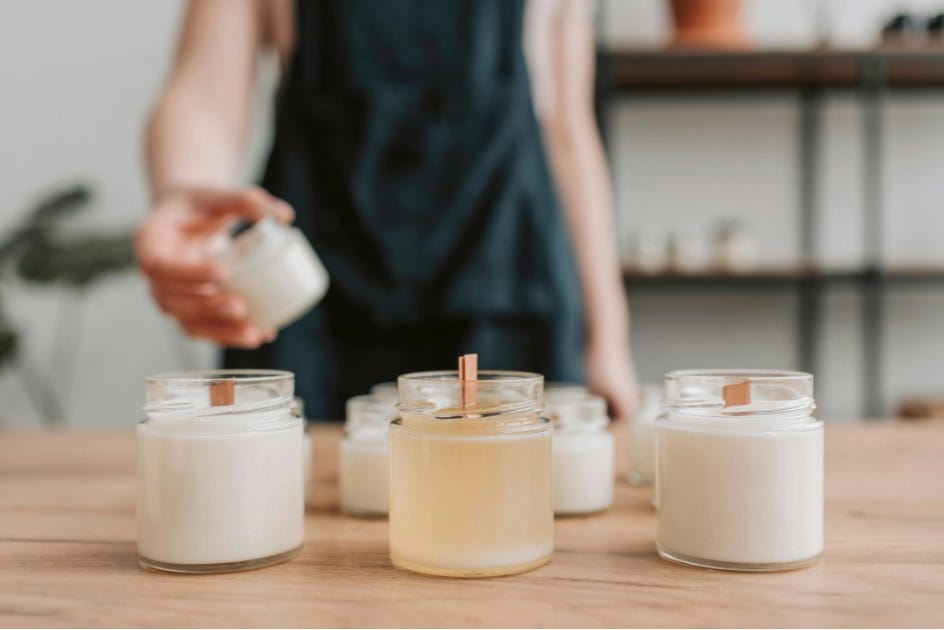
All ten of these audiences could begin with the same basic product: a candle in a jar. But once the audience changes, the product begins to change with it. The scent notes become more specific. The name develops a point of view. The label starts speaking to a particular person. The packaging changes. The photography changes. The gift set ideas change. The holidays and occasions change.
A candle for a book lover might be photographed beside a paperback, bookmark, and cup of tea. A gardener candle might sit next to seed packets, gloves, and a terracotta pot. A teacher candle might be packaged with a gift card holder. A writer candle might be shown beside a notebook, pen, and very necessary cup of coffee.
Same product category.
Different customer. Different business.
One candle can become many products when you build around the person using it.
A book-lover candle could become a full reading-night collection with bookmarks, book sleeves, journals, and stickers.
A gardener candle could lead to plant markers, garden journals, pressed-flower art, and gift baskets.
A teacher candle could become part of a seasonal teacher-gift line.
A wedding candle could expand into favors, bridesmaid boxes, matchboxes, and table décor.
A writer candle could become part of a writing-night collection with journals, pens, bookmarks, prompt cards, and desk accessories.
A whimsical fantasy candle could become an entire imaginary-world collection with wax melts, room sprays, bookmarks, and art prints.
You do not have to stop at one product.
You can let the audience show you what else belongs with it.
Candles are especially flexible because they work for so many occasions. Christmas can be one collection, but it does not have to be the whole business. The same candle-making skills can be adapted for Valentine’s Day, Mother’s Day, birthdays, weddings, housewarmings, teacher appreciation, anniversaries, sympathy gifts, graduations, and everyday self-care. A cozy winter candle might become a spring garden candle. A Christmas hostess candle might become an Easter brunch candle. A wedding favor candle might become an anniversary gift. A teacher appreciation candle might become a back-to-school candle. That flexibility matters if you want a business that can sell throughout the year instead of disappearing after one holiday season.
Candles may look simple, but they do require testing.
Wax, fragrance oil, wick size, container shape, burn time, scent throw, labeling, and safe use instructions all matter. A candle should burn safely and consistently before it is sold.
You also want to be careful with any claims you make. A candle can smell calming, cozy, fresh, warm, or relaxing, but it should not make unsupported medical, therapeutic, deodorizing, pet-safe, or health-related claims.
A beautiful label may help sell the candle once.
A well-made candle is what helps someone come back.
If you are interested in candles, do not begin by trying to make a candle for everyone.
Choose one audience that interests you.
Book lovers. Gardeners. Writers. Teachers. Brides. New homeowners. Small-business owners. Holiday hosts. Fantasy readers. People who need ten quiet minutes and a locked bathroom door.
Then ask:
What mood would they want?
What would make them laugh?
What would make this feel personal?
Would they buy it for themselves, or would someone else buy it as a gift?
What else could belong in the collection?
One candle can become many different business ideas once you stop thinking only about the scent and start thinking about the person lighting it.
The wax is only the beginning.
The audience is what gives it direction.
Subscribe to my email list if you’d like to keep brainstorming with me. We’ll take familiar products, explore new audiences and niches, and see how many different businesses can grow from one simple idea.